When Should OEMs Specify a Wiring Loom Instead of Separate Cable Assemblies?
As electrical systems become more complex, separate cable assemblies can become harder for OEM teams...
Read More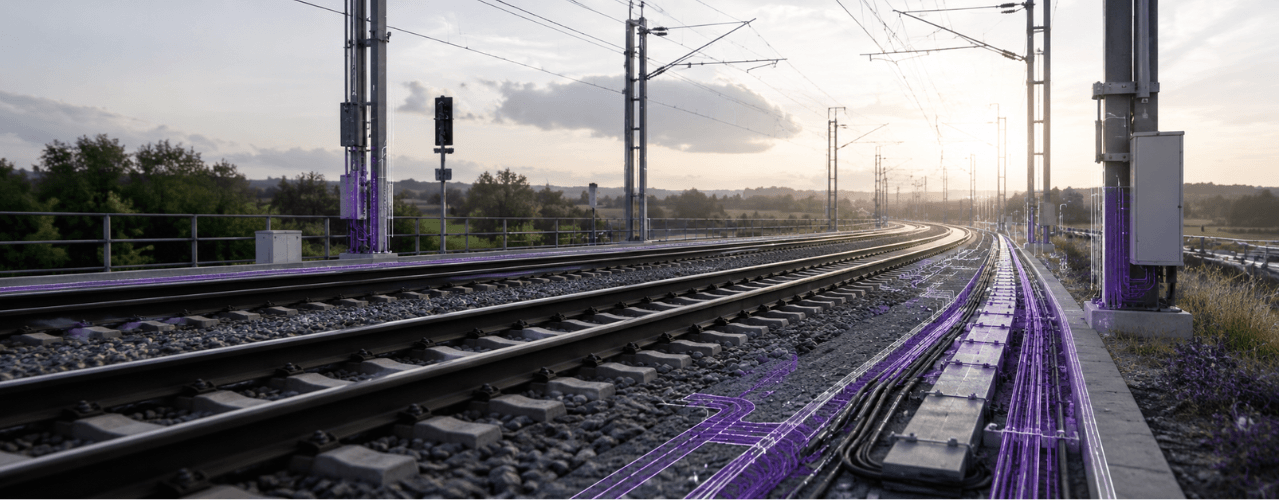
Rail electrification programmes are increasing electrical loads across legacy infrastructure, making installation delays and commissioning disruption far harder to recover once work moves on site. Engineering and procurement managers delivering electrified rail upgrades now assess cable assemblies as infrastructure-critical systems because routing practicality, thermal conditions, and maintenance access directly affect long-term reliability.
Many UK and European rail assets were not originally designed around the equipment density and system integration now associated with modern electrified rail networks. Restricted possession windows also leave limited time to correct routing conflicts or shielding problems once infrastructure work begins.
Rail operators and infrastructure contractors therefore place greater pressure on a railway cable manufacturer to deliver assemblies that fit real installation environments and reduce the likelihood of late-stage rework once electrification work reaches site. GEM Cable supports electrification projects through bespoke cable assemblies designed around routing constraints, integration pressure, and the long service life expected across modern rail infrastructure.
Cabinet overcrowding often becomes one of the first operational problems encountered during electrification upgrades. Additional power infrastructure, monitoring systems, and signalling interfaces quickly consume the remaining space inside legacy cabinets and containment routes that already operate close to capacity.
Once segregation space tightens and usable containment space disappears, commissioning engineers can struggle to maintain separation between signalling and power systems. Testing delays then become harder to recover within restricted possession windows, particularly where multiple contractors and commissioning activities depend on the same access period.
Trackside cabinets, substations, overhead line systems, and legacy tunnel routes all place pressure on how cables are specified and integrated. In retrofit environments, engineers often work around restricted bend radius inside existing containment, heat build-up inside older location cases, and limited separation space between power and signalling circuits. Earlier routing assessment usually helps avoid unnecessary redesign and commissioning delay later in the programme.
Late-stage correction then becomes far more disruptive. Engineers may need to reopen cabinets, revise containment routes, or revisit integration assumptions after installation work has already progressed. Experienced rail engineers and infrastructure planners usually reduce those risks earlier through detailed routing assessment, segregation planning, and bespoke cable assemblies designed around constrained rail infrastructure before shutdown periods become restricted.
Much of the UK and European rail network was not originally designed around modern electrification requirements, which creates practical retrofit challenges once projects move into installation.
Existing infrastructure often limits how engineers can route new cable assemblies. Electrification upgrades regularly expose limited trough capacity, congested under-platform containment, difficult access around overhead line equipment structures, and routing paths that leave little room for future maintenance access once additional infrastructure is installed. Tunnel clearances restrict routing options, while older containment drawings do not always reflect the conditions engineers encounter on site after years of earlier modifications.
Most electrification upgrades take place while networks remain active, which increases pressure on installation sequencing and infrastructure access.
Rail possession work often depends on multiple contractors, testing activity, and commissioning work completing within the same access window. Once a possession overruns, follow-on installation and handover work can quickly compress into the next available access period. Restricted shutdown periods leave little room for adjustment once installation begins, particularly if cable assemblies do not fit correctly or routing assumptions fail on site.
Delays during electrification projects can affect commissioning schedules, contractor sequencing, and operational handover milestones across wider sections of infrastructure. Earlier routing assessment and installation planning usually give engineering managers more flexibility before overnight shutdown periods become compressed.
Electrification projects increasingly favour a railway cable manufacturer that understands installation realities before assemblies reach site. Manufacturers that assess routing constraints early, support application-specific assemblies, and reduce install-stage correction help engineering teams avoid disruption that becomes far more expensive once on-site access becomes limited. A railway cable manufacturer operating within electrification programmes also needs to understand how phased rollout sequencing affects installation consistency and future maintenance access.
Higher electrification loads often expose thermal problems that older rail infrastructure could previously tolerate. Once engineers introduce additional power distribution equipment into legacy cabinets and containment routes, heat accumulation can increase quickly inside infrastructure that already operates close to capacity.
That additional thermal pressure then reduces available containment capacity. Engineers lose usable containment space, cable segregation becomes harder to maintain, and maintenance access becomes more difficult once cabinets fill with additional power and monitoring systems.
Long-term reliability pressure then increases across the wider system. Cable assemblies operating continuously under electrical load must withstand vibration, contaminants, and temperature variation across a long service life while supporting stable signalling and power integration. Stronger thermal planning and routing control during specification can also reduce future maintenance disruption once systems enter operation.
Engineering managers therefore place greater emphasis on thermal performance, routing practicality, shielding quality, and maintainability during cable specification because correcting infrastructure problems during commissioning becomes significantly more disruptive.
Cable assemblies supporting rail electrification projects often need:
These controls help infrastructure engineers reduce testing-stage rework, unstable system behaviour, and long-term maintenance disruption inside congested infrastructure environments.
Experienced rail engineers usually address segregation, routing, and shielding constraints early because late-stage integration correction becomes far more disruptive once integration testing and possession schedules are fixed.
Commissioning engineers often discover during testing that power and signalling systems which appeared properly separated during design become difficult to manage once installation teams physically add additional infrastructure into constrained rail environments.
As networks modernise, engineers must integrate power distribution systems alongside signalling infrastructure, monitoring platforms, and operational control systems that all share limited infrastructure space.
Integration problems usually escalate once these systems begin competing for containment access and installation space. Poor routing discipline or inconsistent shielding can create interference problems between power and signalling systems, while tight enclosure layouts can restrict maintenance access and complicate future upgrades. Installation and integration issues inside constrained infrastructure can also create long-term maintenance complications, unstable signalling behaviour, and avoidable service disruption if engineers only discover problems during commissioning. Projects that address segregation and shielding constraints earlier during specification usually avoid much of the redesign pressure that appears later during commissioning.
When those problems emerge late in the programme, engineering and commissioning pressure increases quickly. Engineers may need to reopen cabinets, revise routing plans, or delay integration testing while issues are resolved.
Electrification projects place heavy pressure on installation sequencing and commissioning schedules once upgrades move into active rail environments. Engineering managers therefore look for manufacturers that can reduce operational disruption before projects reach constrained possession windows and phased rollout stages. A railway cable manufacturer supporting active rail infrastructure upgrades must also understand how commissioning pressure and installation sequencing affect wider project delivery.
Rail infrastructure engineers increasingly look for manufacturers that can support routing consistency across phased installations, reduce commissioning redesign, and minimise infrastructure access overruns once rollout schedules tighten.
GEM Cable supports rail infrastructure projects through bespoke cable assemblies designed around application-specific requirements rather than generic catalogue supply. The company’s rail sector experience, controlled manufacturing processes, and structured quality systems help engineering managers reduce rollout disruption, avoid installation-stage redesign, and maintain consistency across phased electrification rollouts. That support becomes increasingly important once infrastructure projects move into restricted possession windows where late-stage correction can affect wider commissioning activity and contractor coordination.
GEM Cable supports projects through:
Rail electrification projects are increasing pressure across infrastructure systems as higher electrical loads and denser equipment layouts place greater demands on long-term cable reliability.
Many of the most significant challenges emerge long before systems enter service. Routing assumptions, shielding decisions, and installation planning all influence long-term infrastructure performance.
That is why a railway cable manufacturer is now being evaluated differently within electrification programmes. Infrastructure engineers and procurement managers increasingly need manufacturing partners that understand infrastructure constraints, installation realities, and long-term operational performance across electrified rail environments.
If you are reviewing cable infrastructure requirements for an electrification project and need support around routing, integration, phased rollout consistency, or long-term infrastructure reliability, speak with GEM Cable about bespoke cable assemblies designed for modern rail infrastructure environments.
Ready to talk cables, fibre or full network solutions? Get in touch with our team today, we’re here to help.