When Should OEMs Specify a Wiring Loom Instead of Separate Cable Assemblies?
As electrical systems become more complex, separate cable assemblies can become harder for OEM teams...
Read More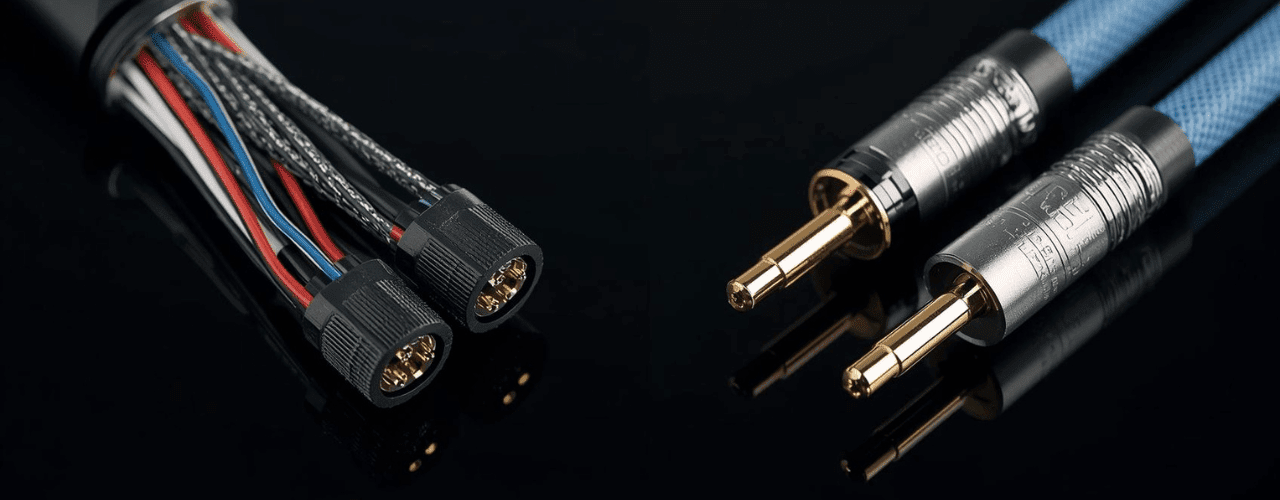
Custom cable assembly is increasingly replacing off-the-shelf solutions in systems where engineering leads, project managers, and procurement specialists cannot afford compromise on fit or performance. Standard products can introduce installation problems and reliability risk once the build reaches installation or integration. A cable that fits the catalogue can still prove unsuitable for the system it needs to support.
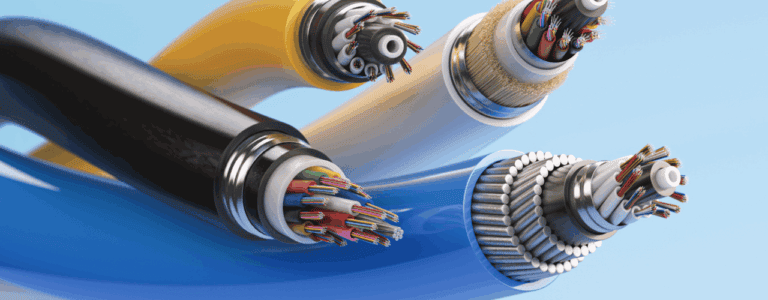
Gem Cable supports that shift as a UK manufacturing partner for bespoke cable assemblies. The company works with customers to build assemblies to exact technical requirements, which can help customers avoid fit problems, install-stage correction, and the repeat maintenance that often follows a poor initial choice.
Off-the-shelf cable solutions can work in straightforward applications. Complex systems usually expose their limits as soon as installation or integration begins.
Space is often one of the first issues. Standard cable lengths, connector orientations, or routing assumptions do not always match the available envelope inside a tightly packaged system. That can force installation engineers to work around slack and tighter bend paths, and sometimes change other parts of the build.
Connector fit creates another problem. A standard product may use a connector or termination that does not suit the actual system layout, mating condition, or environmental load. That can slow integration and create adaptation work during assembly that engineering or installation staff should not have to absorb.
Shielding and environmental performance matter as well. In high-spec builds, teams often need assemblies that suit the real operating conditions instead of a broad catalogue description. Off-the-shelf products may not line up with the actual exposure to vibration, temperature, or EMI. When that happens, installers and maintenance staff often face more effort at the start and potentially shorter service life later.
A custom cable assembly is built around the actual system, not a standard stock profile. That changes how the assembly fits and routes, and it can cut the amount of install-stage correction the team needs once the build starts moving.
Exact lengths and routing requirements help teams avoid the slack or strain that a standard product often creates in a non-standard layout. Teams can also match connector choice to the real mating condition or packaging limit of the system.
The benefit often shows up quickly at installation stage. Teams spend less time modifying or working around a cable that was never designed for the application in front of them. In confined or high-spec environments, that can make integration cleaner from the start and reduce the correction work that reaches site or production.
Harsh or regulated environments usually make the limits of standard products more obvious. Where systems face vibration, heat, shielding demands, or strict compliance expectations, the assembly has to match the environment more closely. If it does not, operators and maintenance staff may carry that compromise into service.
That matters in sectors such as aerospace, defence, rail, robotics, marine, and telecoms, where assemblies often operate under tighter performance and documentation expectations. In those settings, a cable that only partly fits the application can create more risk through mechanical stress, poor routing, or early service problems.
Bespoke cable harness manufacturing gives engineering leads more control over how the assembly is specified and built. That can support a better fit for the operating environment and reduce the need to accept a standard option that only partly suits the job.
Standard products can look cheaper at first. The initial purchase price is only one part of the cost.
A standard cable can become more expensive when it takes longer to install, creates fitment issues, or needs earlier replacement because it does not suit the operating conditions. The same applies when engineers, installers, or maintenance staff spend extra time correcting routing problems, clearing integration issues, or dealing with repeat maintenance caused by a poor fit.
A custom cable assembly can reduce those problems because it is built around the actual requirement. That can lower rework at install stage, reduce replacement risk, and make long-term support easier to manage because the assembly fits the system from the start.
In higher-value systems, that can be enough to justify moving away from standard cables before correction cost builds.
A strong manufacturing partner should help engineering leads address fit, installation, and production risk before the assembly reaches site or field use.
It starts with design collaboration. A supplier should be able to work from drawings, technical requirements, or samples so they understand how the assembly needs to fit within the wider system.
Material and connector selection also matter. The right partner should align the build to the actual operating and installation conditions. The closest standard alternative is often not enough.
Testing, documentation, and traceability should all be part of the process. Buyers need confidence that the finished assembly is controlled, tested, and supported by records that answer the real review questions.
Support through prototype to production is another sign of a strong partner. It shows that the manufacturer can move from concept into repeatable supply without losing control of fit and quality as volumes increase.
Gem Cable’s bespoke cable assemblies capability fits this type of project well. The company builds assemblies to exact customer specifications for demanding applications. That suits projects where engineering leads need to resolve integration or routing compromise before it reaches site, production, or service.
Gem’s quality page also supports that offer through AS9100 Rev D, IPC/WHMA-A-620, ISO 9001, ISO 14001, Cyber Essentials Security Plus, plus 100 per cent testing on its Banair testing system. Those controls can give customers more confidence in how assemblies are built, tested, and released. They can also reduce the checking customers need to do after the fact, which helps engineering, quality, and procurement stakeholders move through review and release with less follow-up.
For engineering leads and project managers, that can make Gem Cable a stronger partner when the assembly needs to fit the technical brief and the installation environment without creating avoidable correction work later.
Off-the-shelf cable solutions still have a place. They do not always serve complex systems well. Where routing, connector fit, environmental exposure, or long-term reliability matter, standard products can create compromise that costs more once the build has to carry it.
That is why custom cable assembly is increasingly replacing standard options in more demanding applications. Buyers are often looking for an assembly that fits properly at install stage and keeps performing once the system goes live.
If you need a UK manufacturing partner that can design and build around the real technical brief, reduce install-stage correction, and support controlled release, speak to Gem Cable.
Ready to talk cables, fibre or full network solutions? Get in touch with our team today, we’re here to help.